Painting Contractor: Guidelines for Choosing the Best Professional for Your Project
Selecting the best painting contractor requires a systematic strategy. Assessing a professional's experience, portfolio, and client feedback is essential. Key elements include verifying credentials and reviewing past projects. Well-defined objectives and open communication can further enhance the working relationship. Recognizing these aspects can lead to a successful result. Yet, knowing where to start can be the most difficult component. Examining proven approaches is vital to arriving at a knowledgeable conclusion.
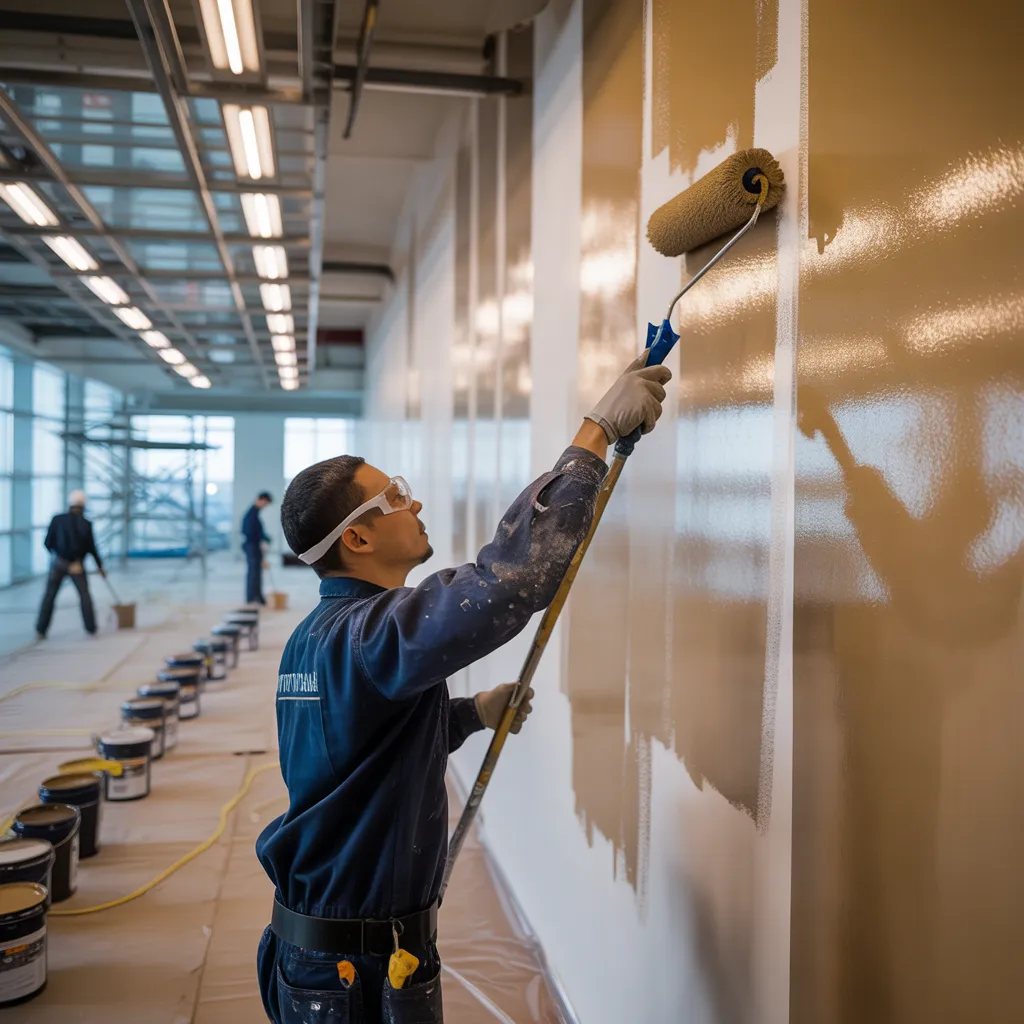
How to Evaluate Contractor Experience?
When considering a painting contractor's background, it is essential to take into account not only the amount of time they have been in business but also the range of projects they have handled. A professional with a substantial track record may indicate reliability, but diverse project experience highlights adaptability and skill in various techniques and materials.
Prospective customers should inquire about particular project categories like residential, commercial, or industrial projects. This range of expertise can greatly impact the standard of the completed work.
Furthermore, examining prior customer reviews and documented case studies can offer valuable information about the contractor's professional conduct and client relations. Professional certifications or specialized technical training may also improve a professional's reputation. At the end of the day, a detailed examination of background will help guarantee that the preferred specialist has the necessary qualifications to fulfill the unique needs of the job.
Exploring Premier Painting Contractors
Subsequently, potential clients should verify each contractor's professional standing, including insurance and licensing, to confirm compliance with local regulations. Evaluating the contractor's work history offers a glimpse of their past work and style. Furthermore, reviewing the scope of services available can assist in identifying if they suit specific project demands. By obtaining this knowledge, those seeking contractors can refine their options, paving the way for the following crucial step: examining reviews and references to more thoroughly assess the contractor's standing and reliability.
Reviewing References and Feedback
When choosing a professional painter, checking references and reviews is essential. This approach encompasses assessing the quality of prior work and reviewing the contractor's digital presence. Collecting this data can offer meaningful details about the contractor's reliability and craftsmanship.
Review Prior Work Quality
Evaluating a painting contractor's past work quality is crucial for achieving a favorable outcome. This process involves examining portfolios that demonstrate a contractor's past projects, allowing potential clients to evaluate the skill and thoroughness. Furthermore, reaching out to previous clients delivers insight into the contractor's trustworthiness, communication, and overall competence. It is advisable to investigate specific details of the work, such as following project timelines and tidiness during the project. Digital feedback can further reveal a contractor's advantages and shortcomings, offering a greater perspective on client feedback. In the end, verifying previous work quality helps prospective clients make informed decisions, guaranteeing alignment with their goals and project needs.
Evaluate Online Reputation History
How does a contractor's online standing impact a potential client's hiring decisions? A professional painter's online profile, including reviews and ratings, functions as a vital tool for those seeking services. By exploring platforms like Google, Yelp, and social media, clients can assess previous customers' opinions. Glowing testimonials demonstrates professionalism and dependability, while negative reviews may indicate potential issues. It is critical for clients to verify references, as direct testimonials shed light on the contractor's work ethic and professionalism. Additionally, examining work portfolios can provide visual evidence of the painter's skills. Ultimately, a painting contractor's online standing can greatly impact a potential client's overall trust, leading them to a well-researched choice for their home painting project.
Creating Realistic Budgets and Timelines
Setting realistic budgets and timelines is essential when selecting a painting contractor. This involves estimating material costs, factoring in labor expenses, and allocating sufficient time for preparation. A well-structured budget and timeline can help guarantee a smooth project execution and avoid unexpected delays.
Determine Material Costs
Assessing material expenses is an important step in hiring a professional painter, as it directly impacts financial plans and timelines. Careful calculations of paint, primer, brushes, rollers, and other necessary supplies are essential for creating a practical budget. Contractors should provide thorough breakdowns, detailing each cost component to give clients a clear picture of expenses. In addition, accounting for the grade of materials is critical; higher-quality paints may have a higher upfront cost but can deliver enhanced durability and appearance. Property owners are urged to review associated article bids from various painters to confirm they are getting the best value. By outlining explicit expectations regarding the cost of materials, homeowners can steer clear of unanticipated costs and delays, resulting in a more efficient painting process.
Factor in Labor Expenses
While material costs are vital, factoring in labor expenses is equally important for developing practical budgets and timelines when working with a painting contractor. Labor pricing can fluctuate substantially based on the contractor's experience, the complexity of the project, and regional market conditions. It is important to request comprehensive quotes that break down labor costs separately from materials to gain a clear understanding of overall expenses. Moreover, determining how much time the project requires helps in coordinating monetary expectations with project schedules. Contractors may provide different timelines based on their workload, so talking through these details in advance can minimize postponements. At the end of the day, a carefully planned budget incorporating labor expenses secures better project outcomes and reduces the likelihood of unexpected expenses.
Reserve Time for Prep
Before any painting project commences, dedicating enough time to preparation is vital to guarantee successful outcomes. Proper preparation includes inspecting the space, choosing suitable materials, and resolving any needed repairs. Contractors should factor in time for cleaning surfaces, applying primer, and masking sections to prevent paint from reaching unintended surfaces. This not only enhances the overall quality of the work but also helps in adhering to the project's timeline and budget.
In addition, clients should communicate their expectations clearly, so that contractors can gauge the timeline with precision. Creating a contingency for unanticipated problems, including inclement weather or material supply delays, is a wise course of action. Ultimately, thorough preparation sets the foundation for a smooth painting process and satisfactory results.
Tips for Communicating Effectively With Your Contractor?
Open communication with a painting contractor can greatly influence the project's overall outcome. Open and direct communication establishes expectations and promotes a cooperative atmosphere. Homeowners should begin by sharing their vision, including color preferences and any specific techniques desired. This ensures that everyone involved is aligned from the very beginning.
Consistent communication throughout the project is vital. Contractors appreciate feedback, as it gives them the opportunity to refine their strategy as required. Homeowners should also ask questions about timelines, materials, and any potential challenges that may arise, promoting open communication.
Keeping proper documentation plays a vital role in clear and effective communication. Keeping records of changes, agreements, and key discussions minimizes potential misunderstandings. Finally, treating the professional with professionalism and respect promotes a healthy working relationship, leading to a more successful outcome. By maintaining clear communication, homeowners can improve their overall experience and accomplish the results they desire.
Outlining Your Painting Project Scope and Goals
Clear communication sets the stage for determining the parameters and goals of a painting project. Defining precise objectives is critical for both the homeowner and the contractor. Homeowners should first determine the specific areas requiring paint, their chosen colors, and desired finishes. This clarity helps avoid misunderstandings and guarantees that the contractor can provide accurate estimates and timelines.
Additionally, homeowners need to assess the scale of the project, regardless of whether it includes a single room or an entire property. Determining a budget is also critical, as it influences the options for materials and labor. Furthermore, homeowners might wish to address any special requirements, such as green paint alternatives or intricate designs.
Common Questions and Answers
Which Type of Paint Is Best for My Project?
Selecting the best paint relies on the surface type and finish preference. For inside walls, a matte or eggshell surface is ideal, while heavily used areas work best with satin or semi-gloss. Always consider ease of cleaning and durability.
What Is the Average Duration of the Painting Process?
The painting process usually spans one to three days, based on the project's scale and difficulty. Considerations like the preparation of the surface, the quantity of coats needed, and drying times heavily impact the entire length of the work.
Should I Prepare My Home Prior to the Contractor's Arrival?
Certainly, preparing the home ahead of the contractor's visit is recommended. The preparation includes moving furniture, protecting floors, and ensuring easy access to walls. This kind of preparation can boost efficiency and lead to a smoother painting process.
What Steps Should I Take if I'm Not Happy With the Work?
Should dissatisfaction occur, the affected party should raise concerns directly with the contractor, clearly stating specific issues. Documenting the work and discussing potential solutions can produce an agreeable settlement, encouraging a productive conversation.
What Environmental Considerations Should I Keep in Mind for My Painting Project?
Important ecological considerations for painting work encompass choosing low-VOC or zero-VOC paint products, guaranteeing sufficient airflow during paint application, and safely discarding hazardous waste materials. These factors contribute to a healthier environment and minimize ecological impact.
Comments on “Comprehensive Work from a Gardner Painting Contractor”